Since our founding in 1915, Chewonki has been guided by a deep respect for the natural world. Over time, that commitment has taken many forms, shaped by changing ideas, new technologies, and a growing understanding of our responsibility to the places we live and learn.
By the late 20th century, as the environmental movement gained momentum, Chewonki began to lean more fully into this work. We had long aimed to live lightly on the land, but this was a time when those values became more intentionally woven into both our programs and the design of our campus.
Designed by Theodore + Theodore and completed in 1999, the Center for Environmental Education (CEE) marked an important moment in that shift.
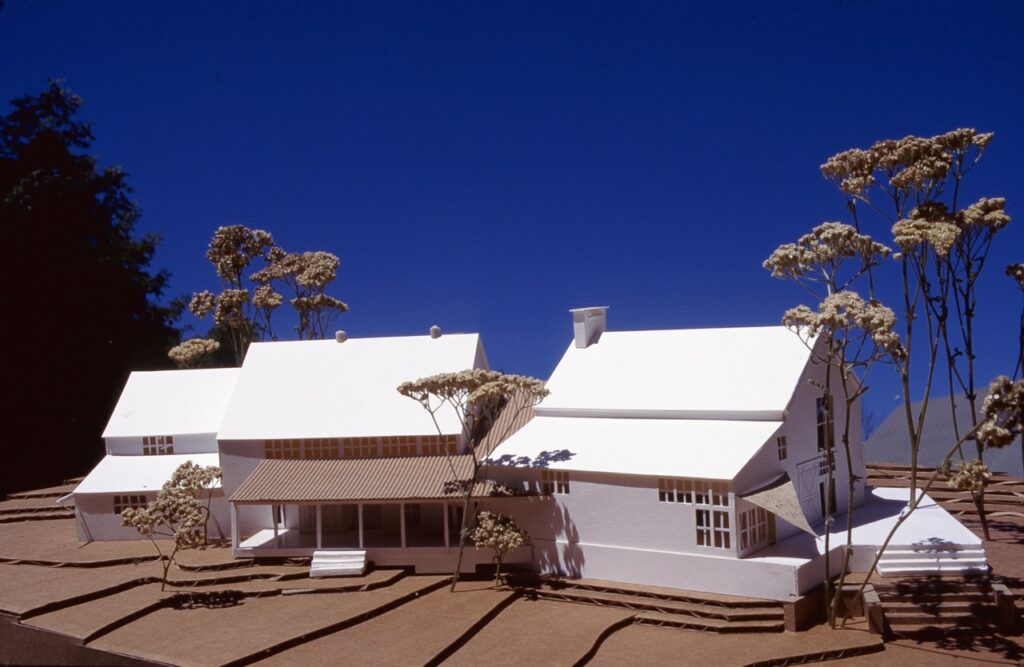
Architectural model of the Center for Environmental Education, designed by Theodore + Theodore. The building reflects an early integration of energy-conscious design and flexible learning space.
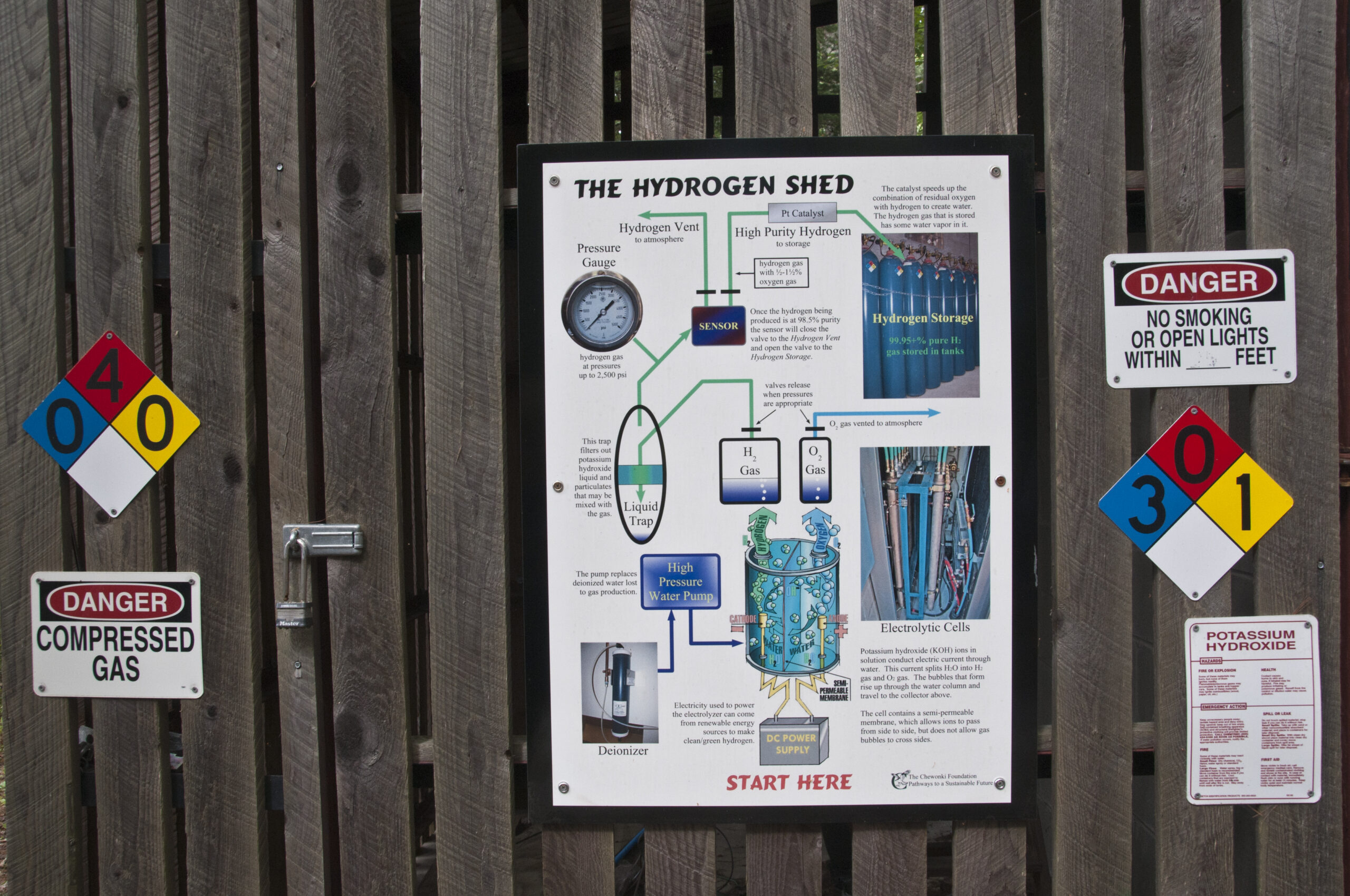
The building brought together forward-thinking systems, including radiant floor heating, geothermal energy, and high-performance insulation. In 2006, it drew international attention with the installation of a hydrogen backup energy system.
At the same time, the CEE was never just about technology. It created space for programs to grow and take shape. Chapin Hall, home to Chewonki’s fin whale skeleton, offers room for gatherings, presentations, and performances. Classrooms, offices, and meeting spaces support a wide range of learning. The wildlife center, with its aviaries and resident animal ambassadors, brings students into close relationship with the natural world.
Many of these programs existed before the building. What the CEE provided was a more visible and flexible home, along with new opportunities to expand what was possible.
Views of the Center for Environmental Education, where classrooms, gathering spaces, and the natural world come together.
A Campus Full of Ideas
Around the same time the CEE was built, sustainability work was taking shape across the rest of campus.
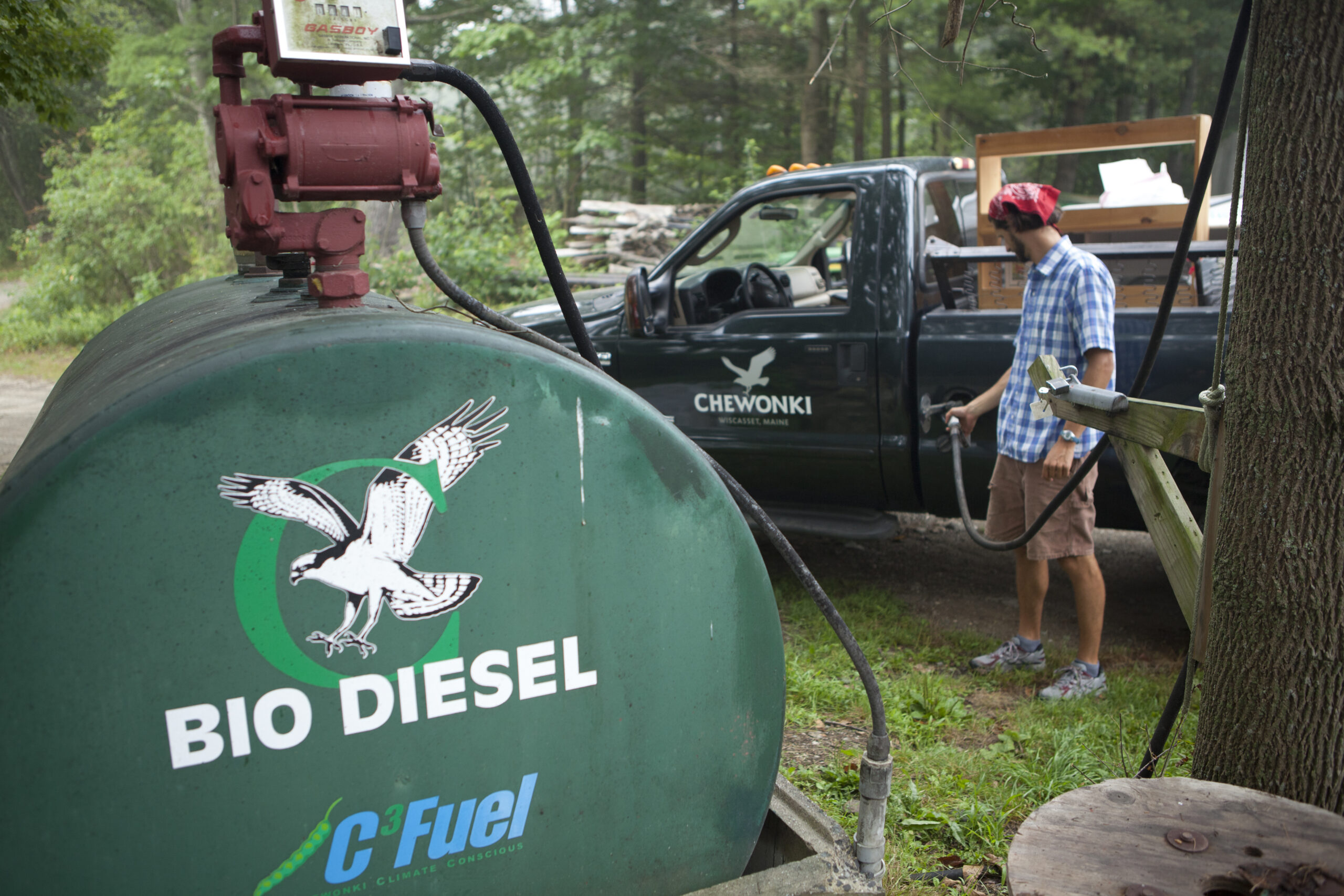
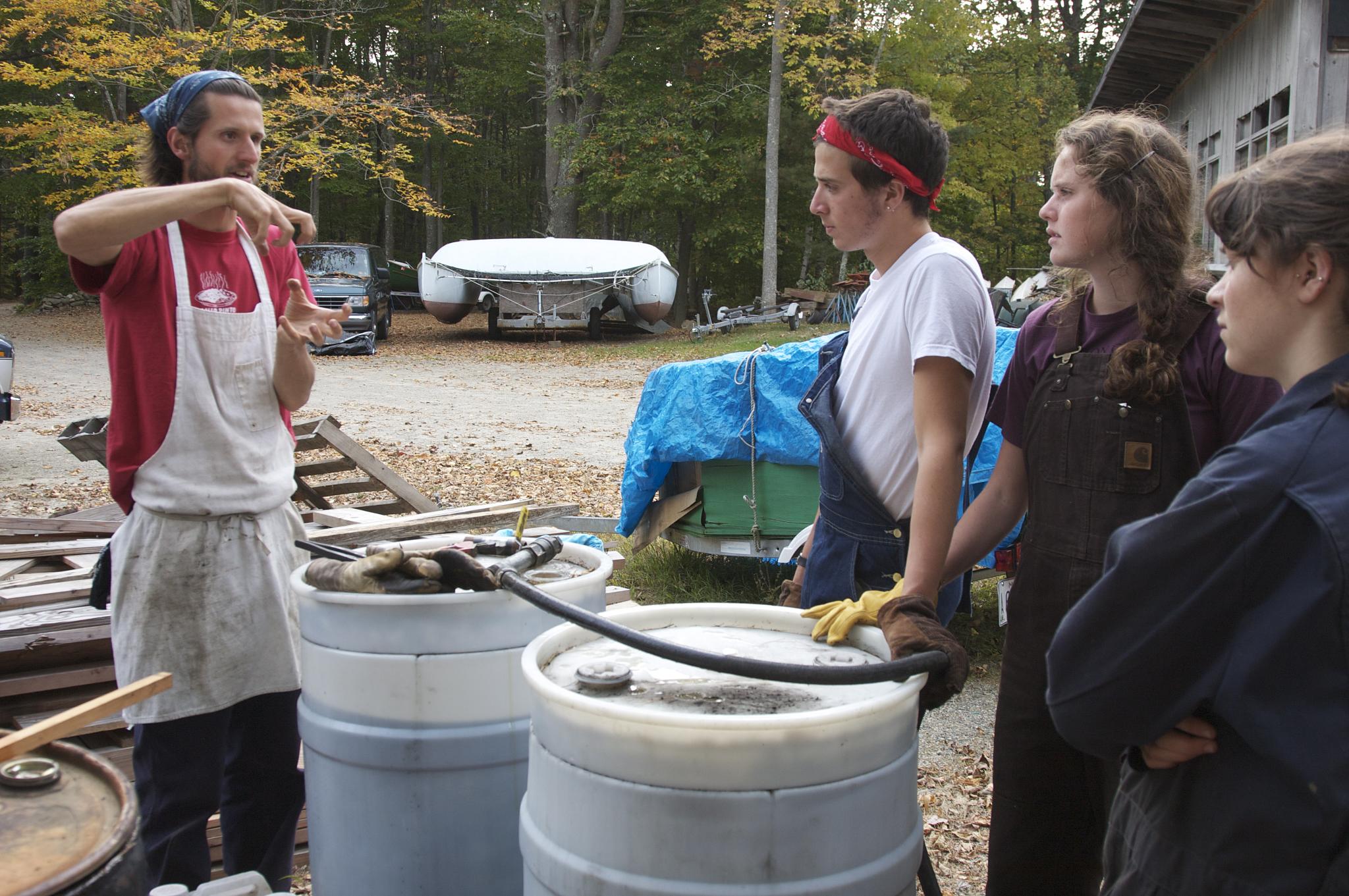
One of the earliest and most influential efforts was the biofuels program. Waste vegetable oil collected from local restaurants was turned into biodiesel to power vehicles and heat buildings. It was a practical solution, and also a powerful teaching tool. The Biofuels Center became both a working facility and a place where visitors could see renewable energy in action.
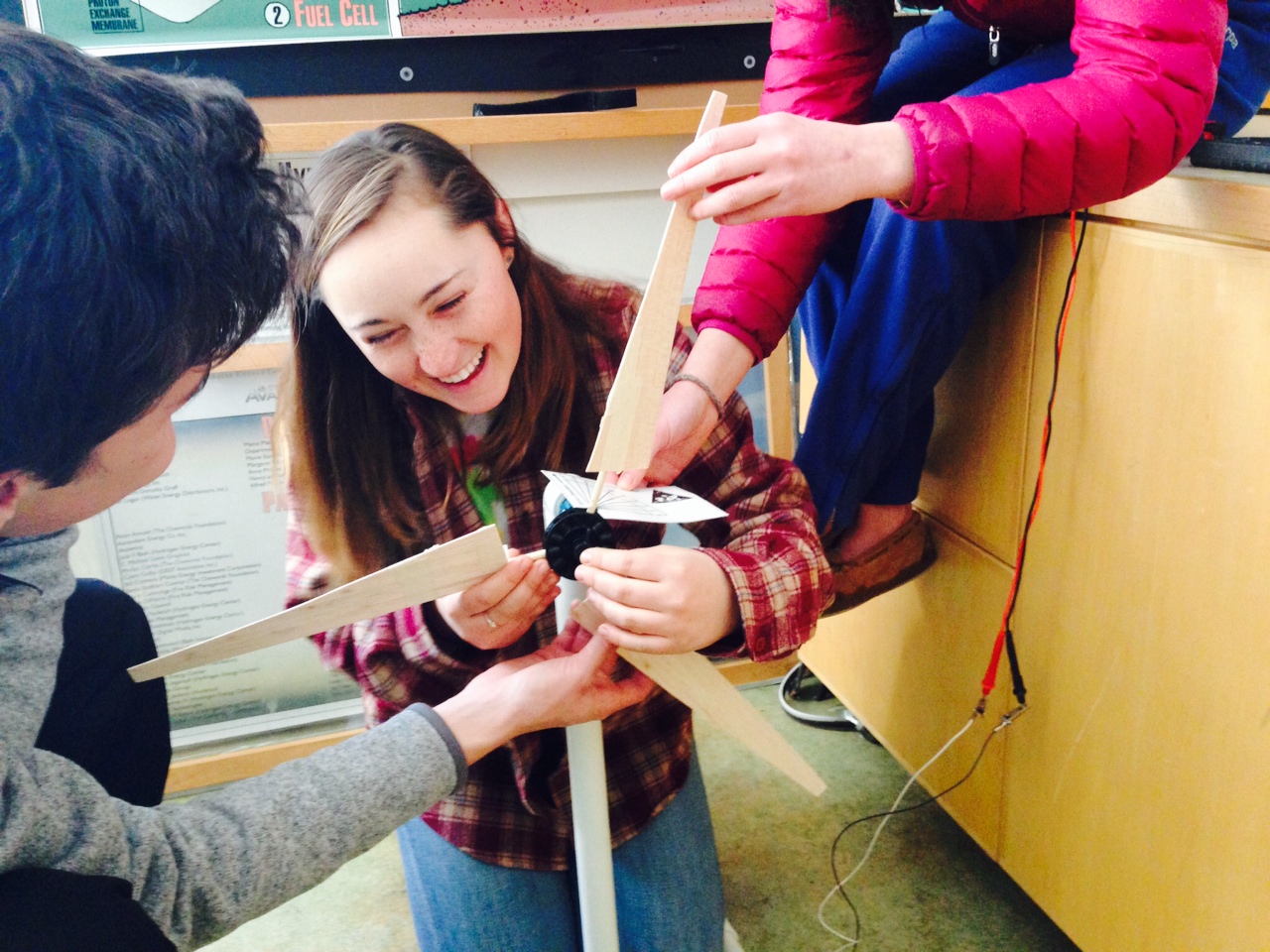
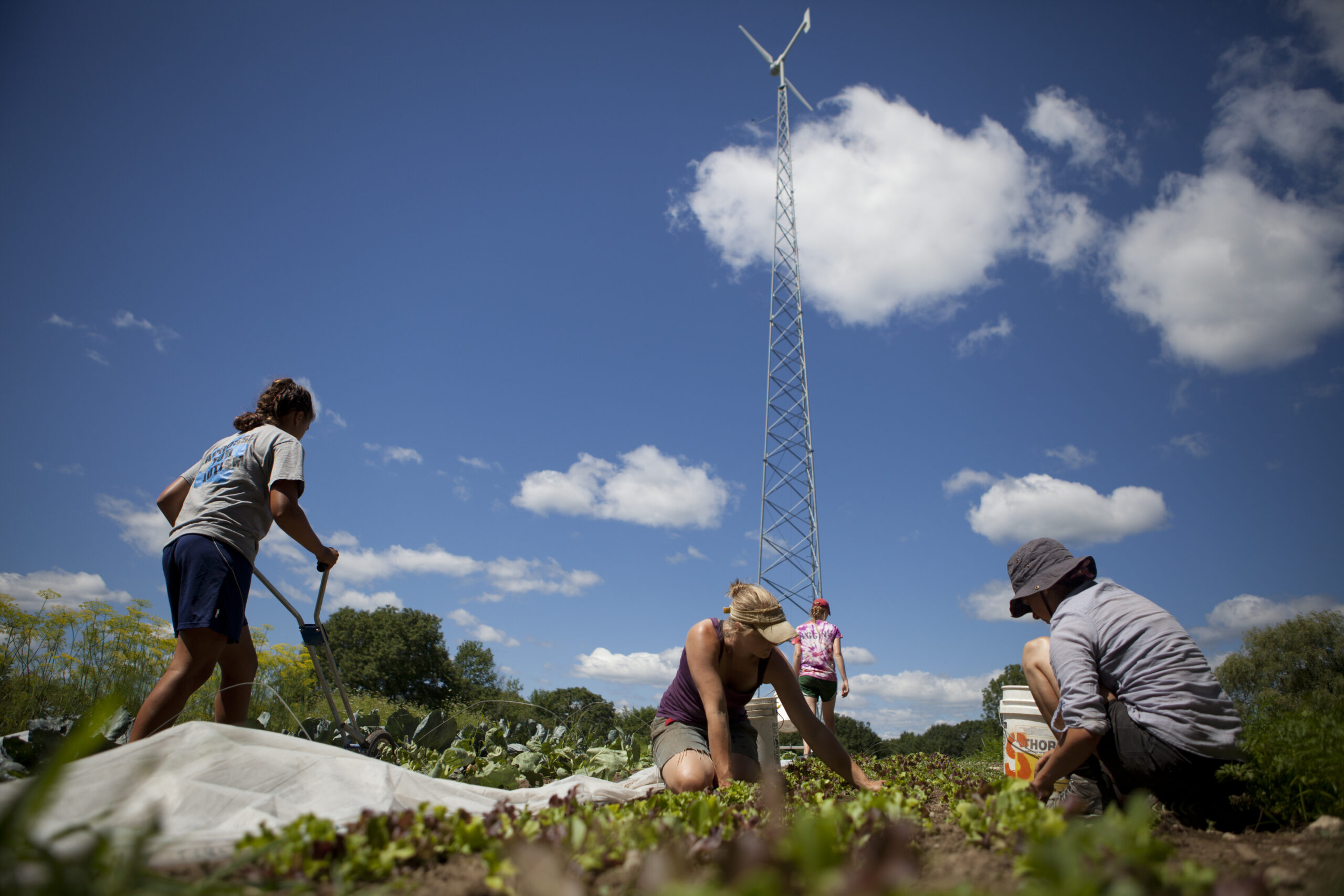
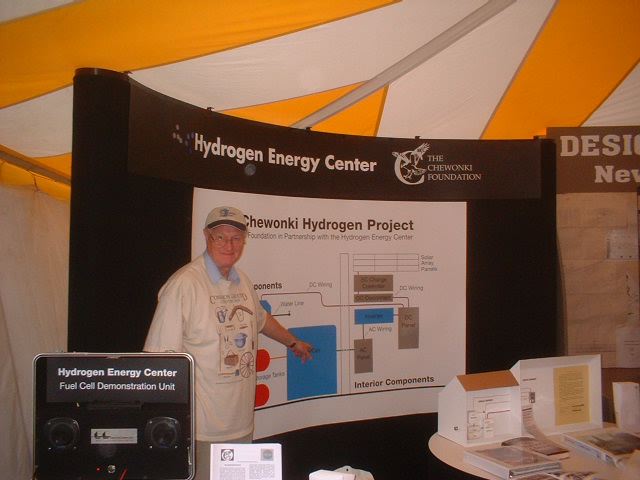
A mix of projects and people: building model turbines, maintaining the wind tower, exploring hydrogen systems, and producing biodiesel on campus.
Chewonki also began exploring on-site electricity generation. A wind turbine rose above the farm, and early solar panels appeared on buildings. These systems made energy visible and easier to understand.
Some efforts pushed further. The hydrogen system installed at the CEE in 2006 explored how energy could be produced, stored, and used in new ways. It drew national attention, with interest from Maine’s congressional delegation and beyond.
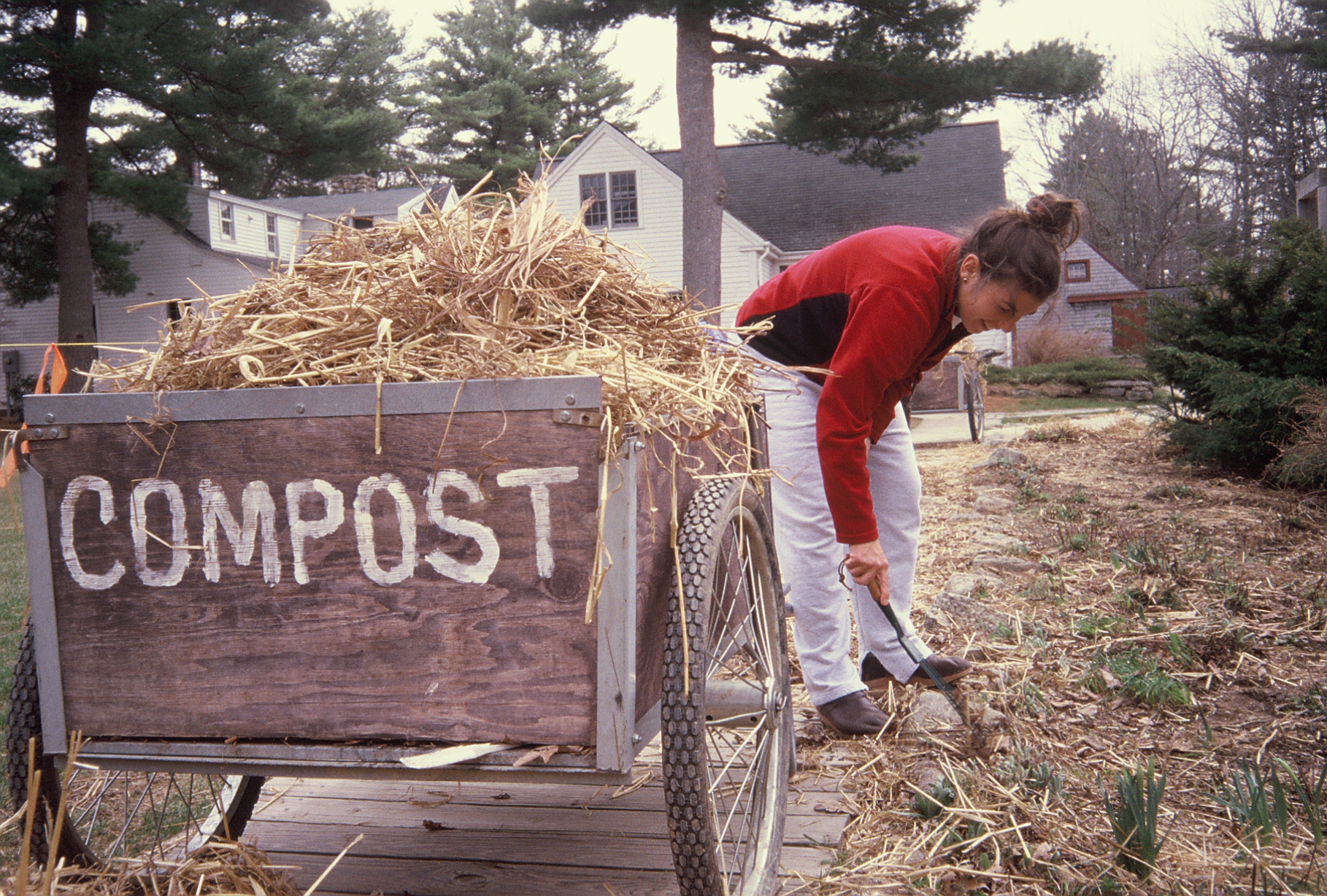
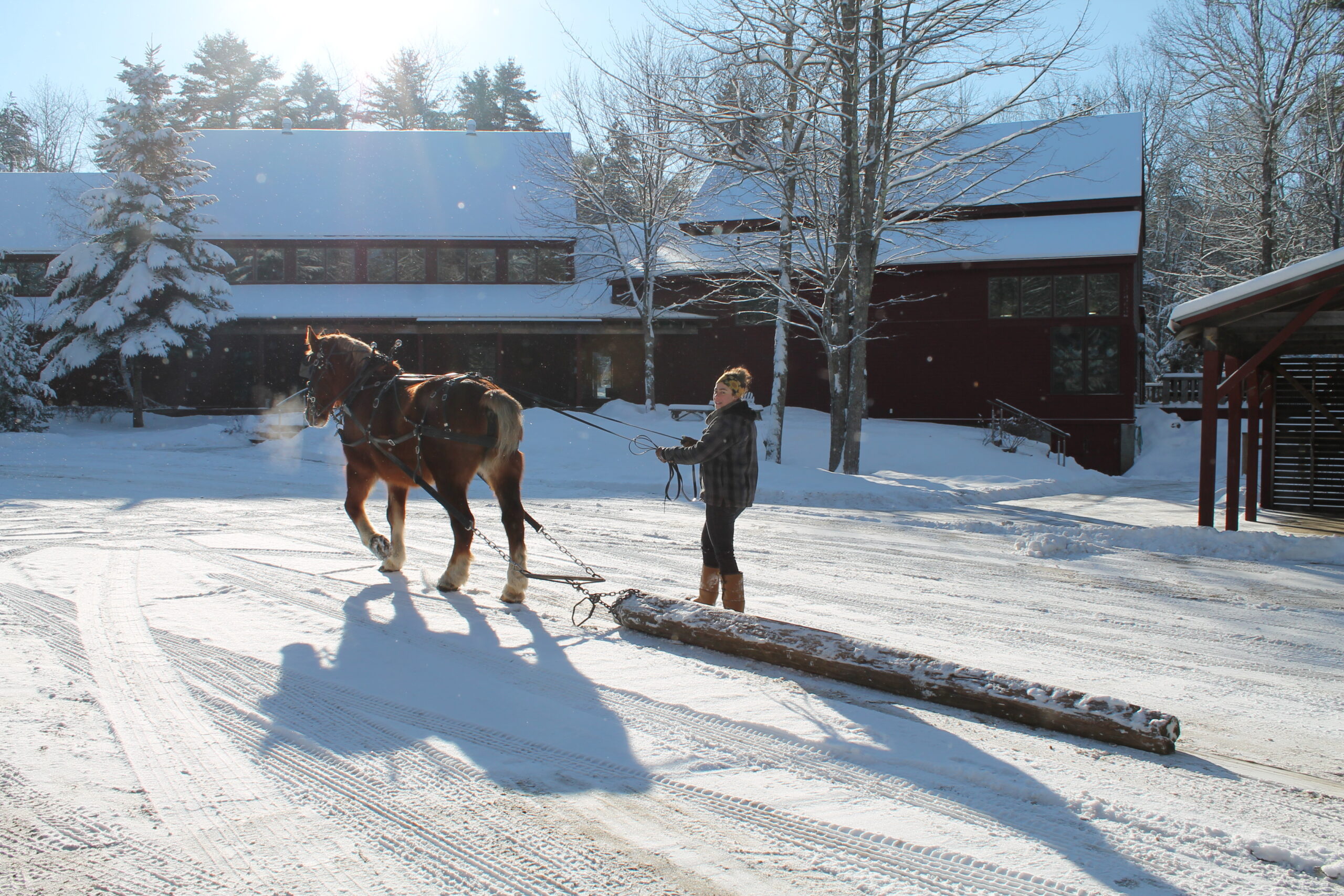
These newer systems existed alongside older, lower-tech approaches like wood-fired heat, composting, and horse logging. Together, they created something distinctive. Chewonki Neck became a place where people were actively exploring what a reduced reliance on fossil fuels could look like.
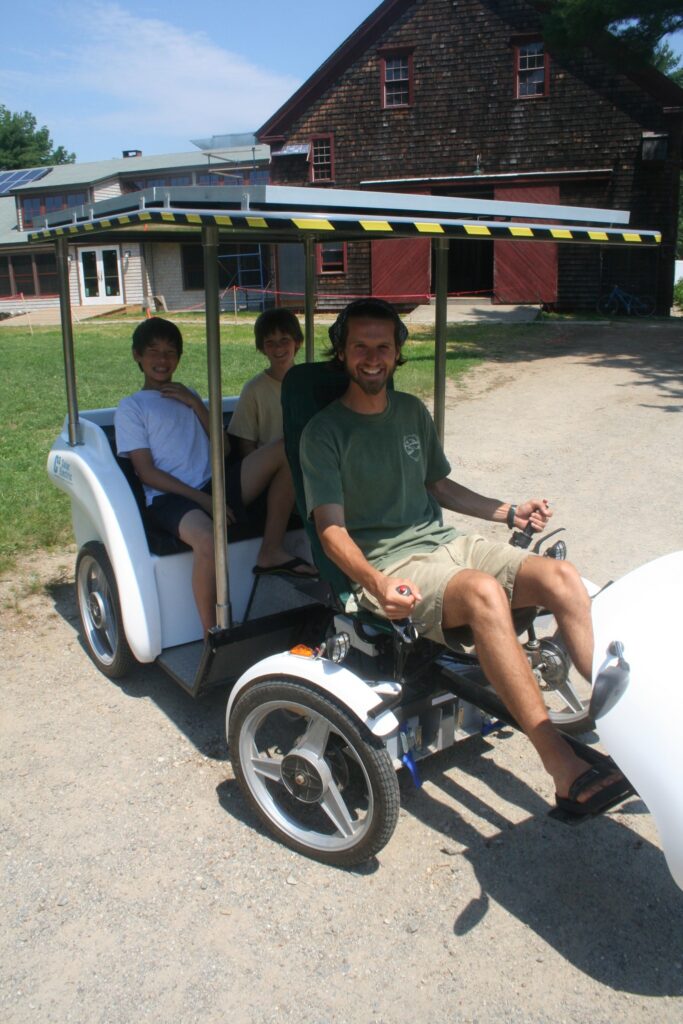
Tom Twist and students with a solar- and bicycle-powered utility vehicle. This was one of many hands-on experiments in rethinking how we move around campus.
Learning What You Can See
For students, especially those in Maine Coast Semester, Chewonki’s energy systems were part of everyday life.
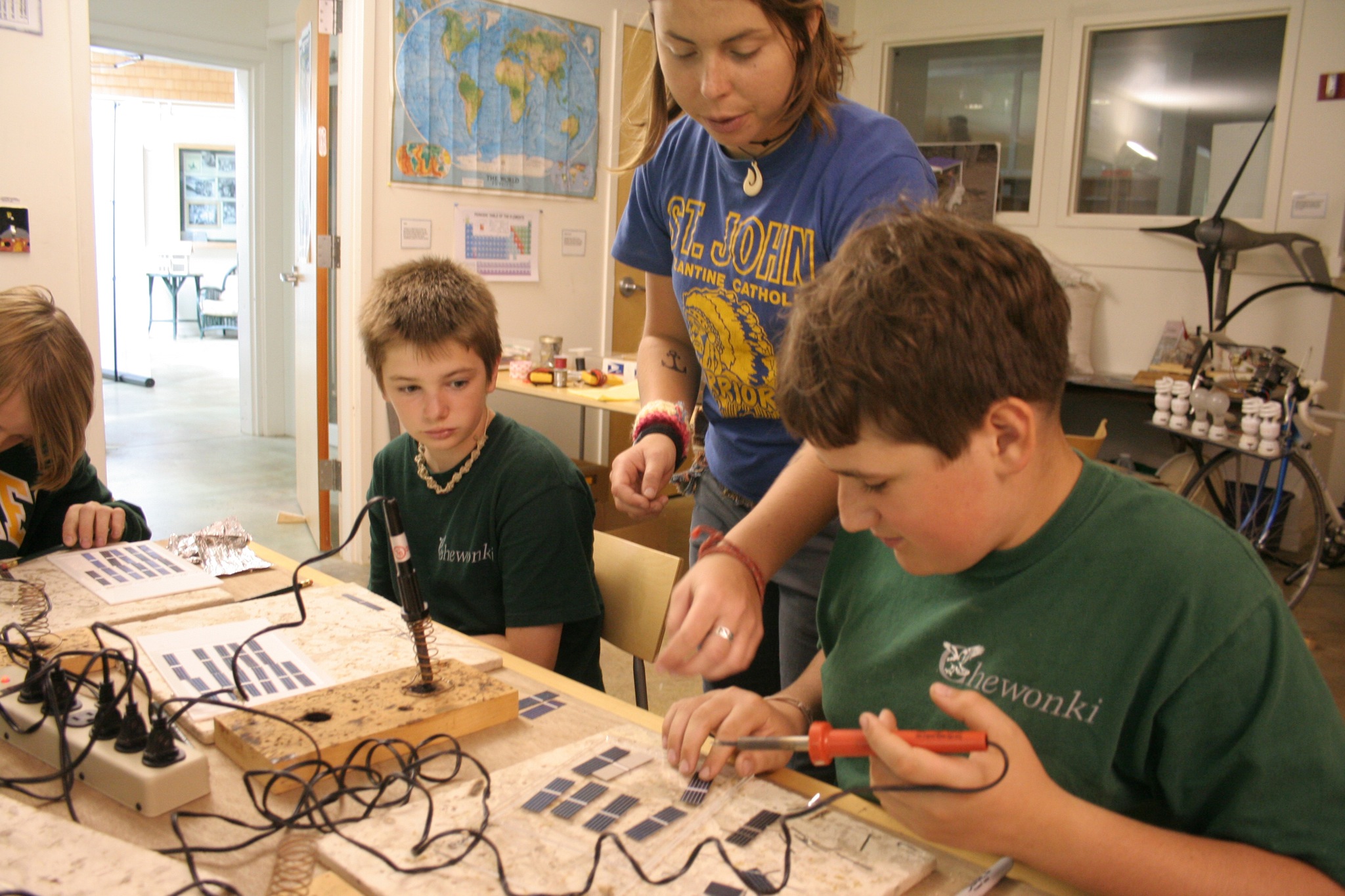
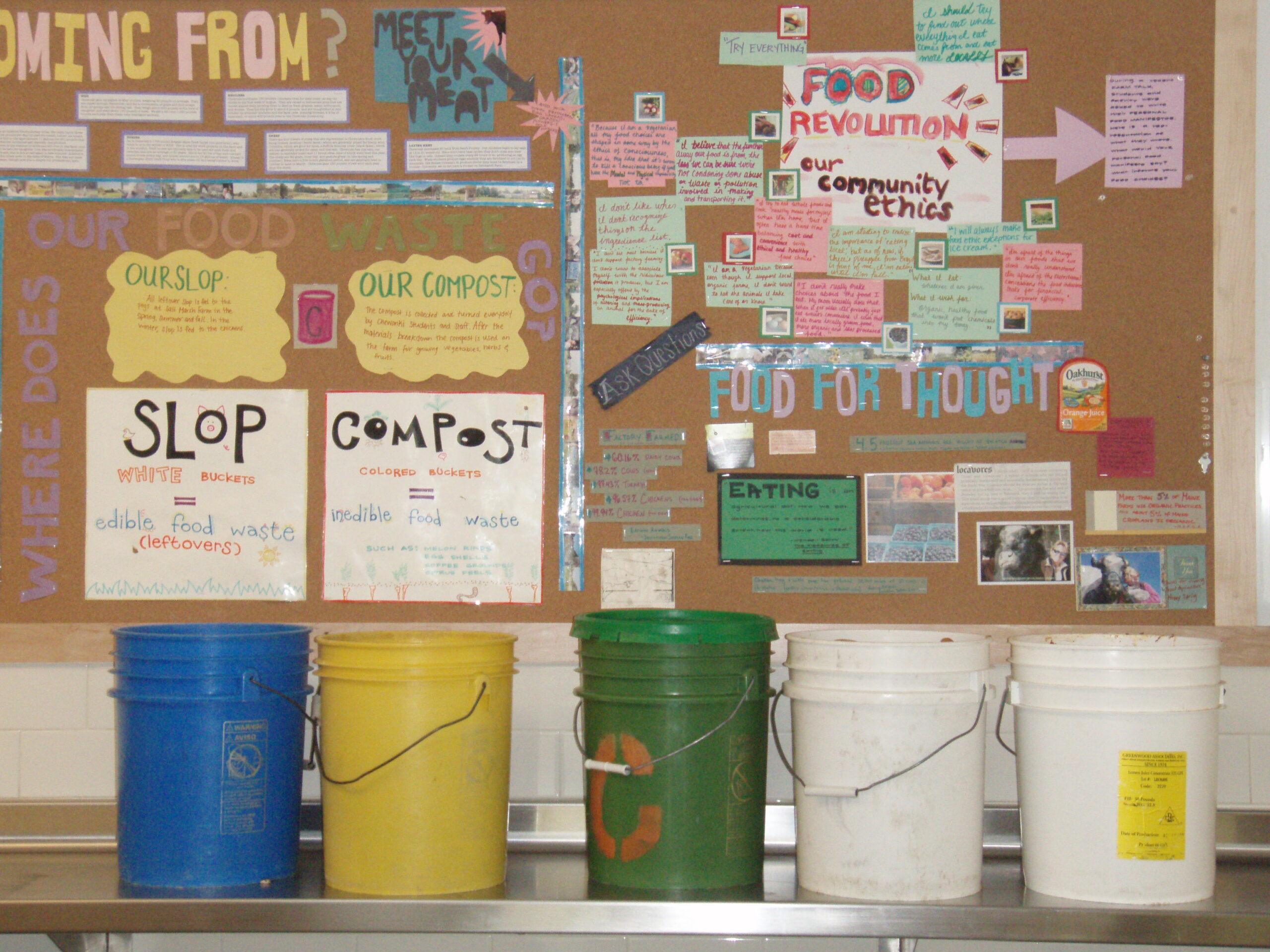
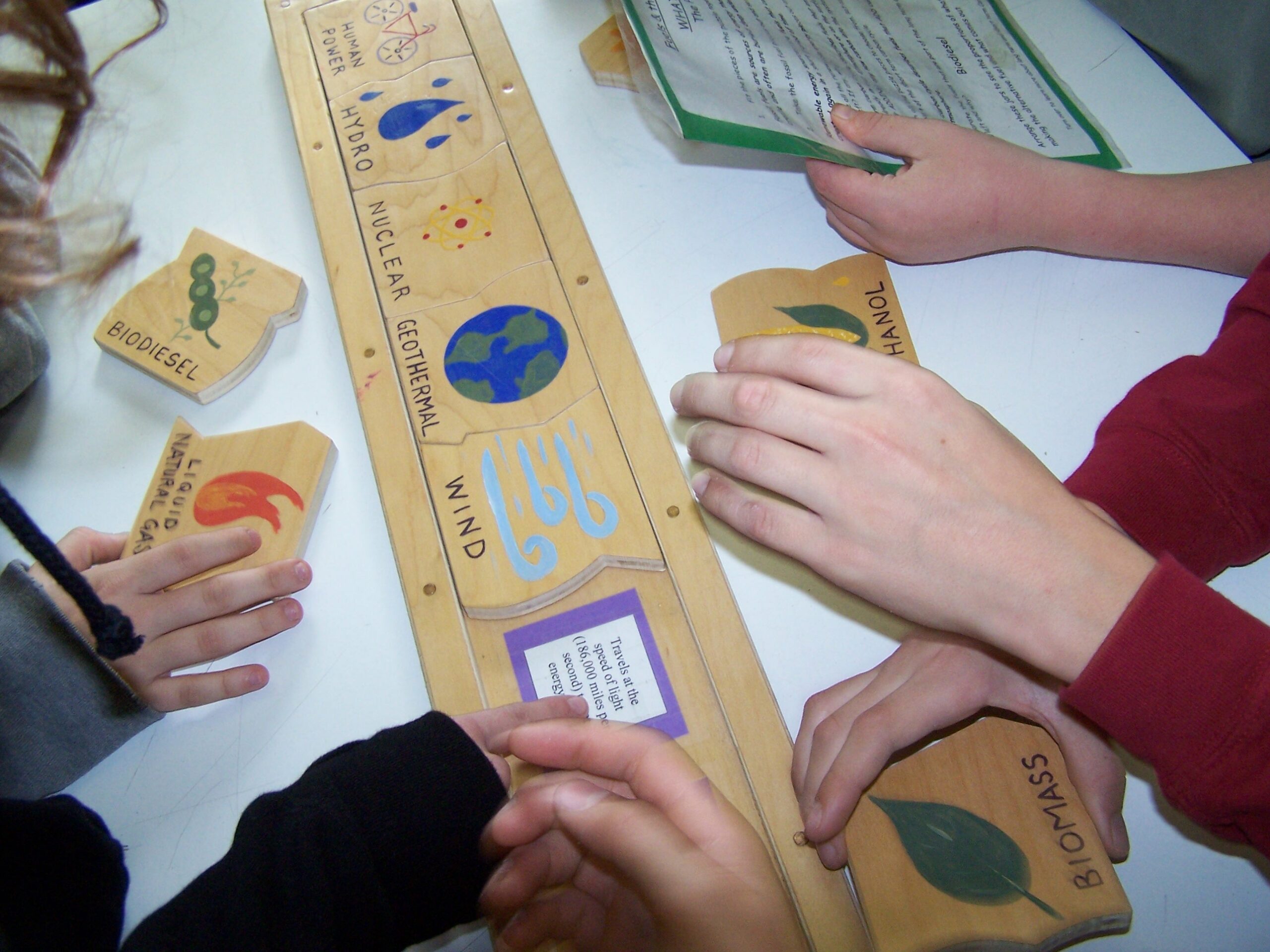
Participants tracked energy use, built small-scale solar systems, and worked directly with the infrastructure around them. Some projects were ambitious, such as electric bikes, off-grid cabins, and student-installed solar arrays. Others were simpler but just as important, including composting, recycling, and careful attention to resource use.
Larger systems were part of the learning as well. The biodiesel program connected chemistry, ecology, and economics. The wind turbine and solar panels raised questions about where energy comes from and what it takes to produce it.
The goal was to make things tangible. Energy was not something distant or abstract. It was right there, part of daily life on campus.
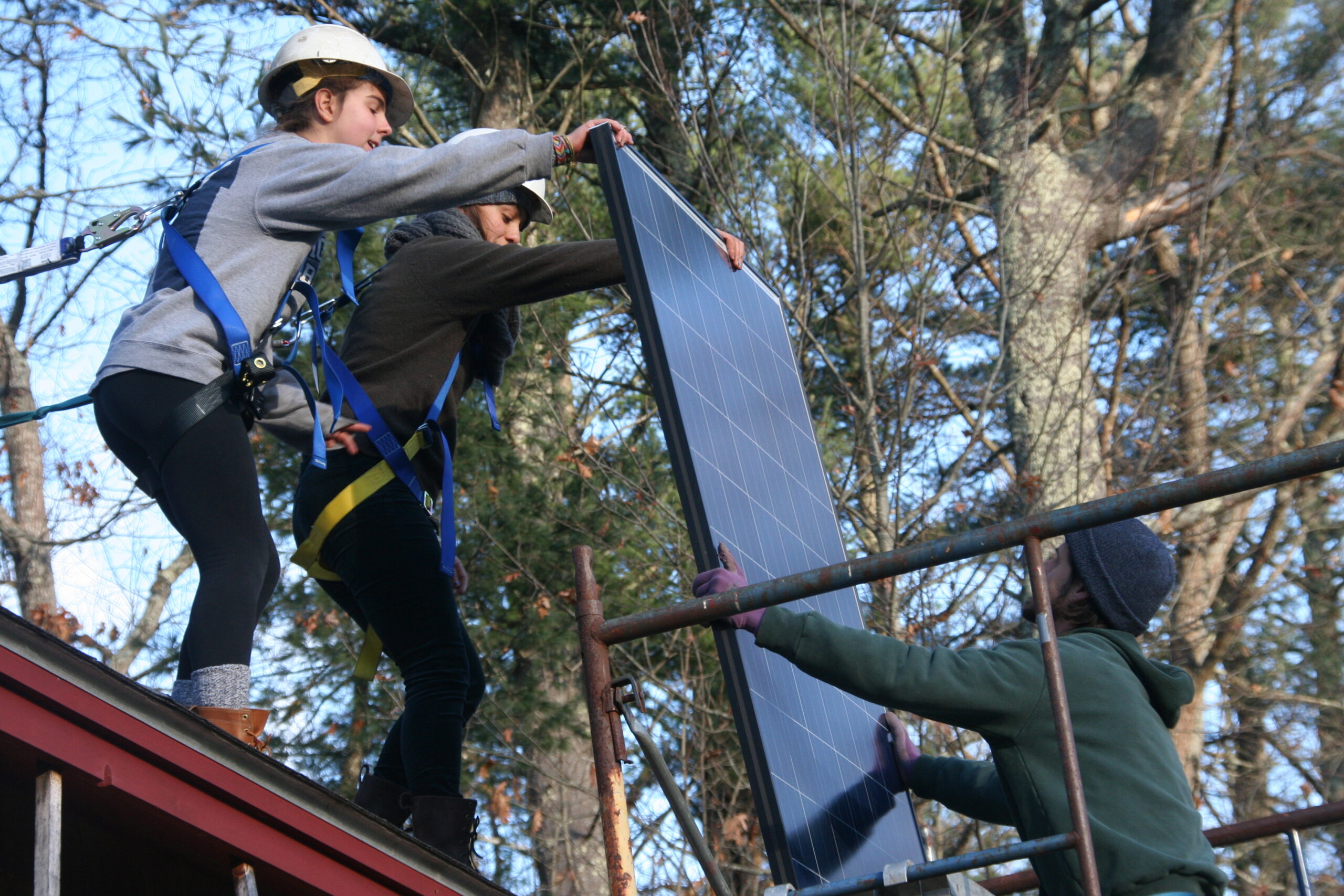
Students working across systems: building solar devices, managing compost, installing panels, and exploring how energy and resources flow through campus.
Learning by Doing, Then Learning What Works
Not every sustainable energy initiative led to a lasting system.
Some technologies were complex. Others changed quickly as new options became available. Each effort added to Chewonki’s understanding of what worked well and what could be improved.
Over time, our approach began to shift. The goal was no longer to explore every emerging technology, but to focus on solutions that were reliable, effective, and able to make a real difference. As solar technology improved, it became an increasingly practical option—especially when paired with earlier investments in durable, thoughtfully designed buildings like the CEE.
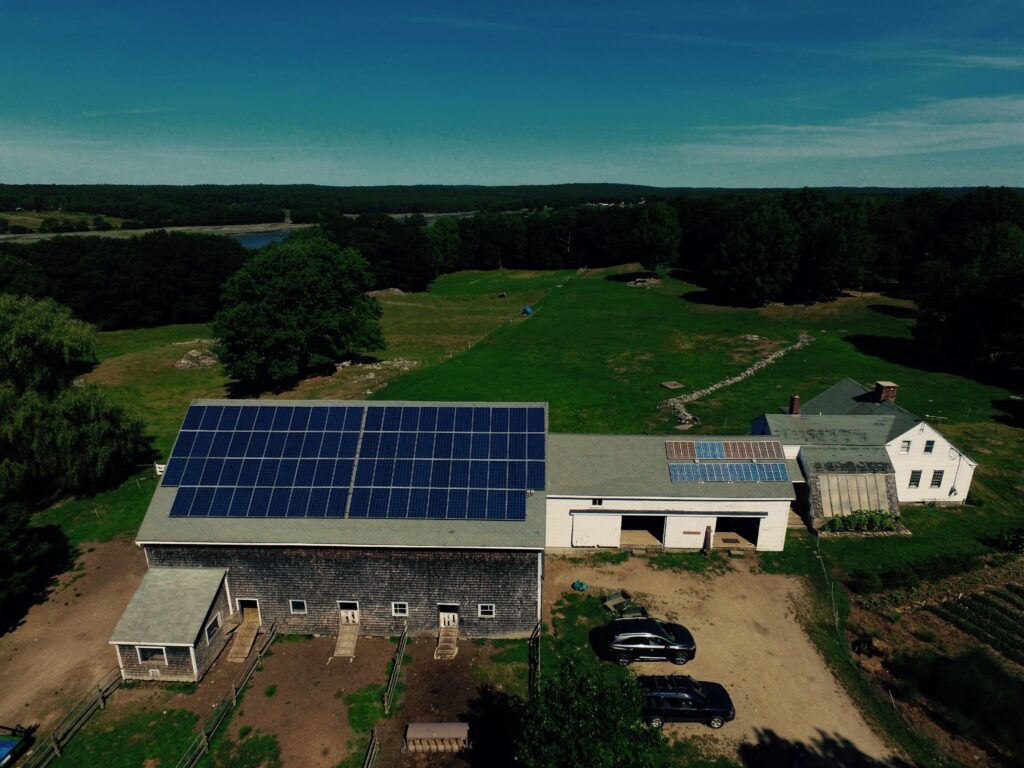
Early solar installations on campus buildings, including the farm barn, helped lay the groundwork for Chewonki’s continued investment in renewable energy.
What Has Lasted and What Comes Next
Nearly 30 years later, the CEE continues to welcome families arriving at Chewonki with its natural finishes, winding boardwalks, and light-filled rooms. In recent years, it has also seen a series of energy upgrades. A high-efficiency boiler, new heat pumps, and improvements to the geothermal system are all helping the building run more efficiently.
That matters, because the CEE is more active than ever. Today it supports a wide range of programs, including Outdoor Classroom, the wildlife center, and natural history programs, with plans to continue expanding in the years ahead.
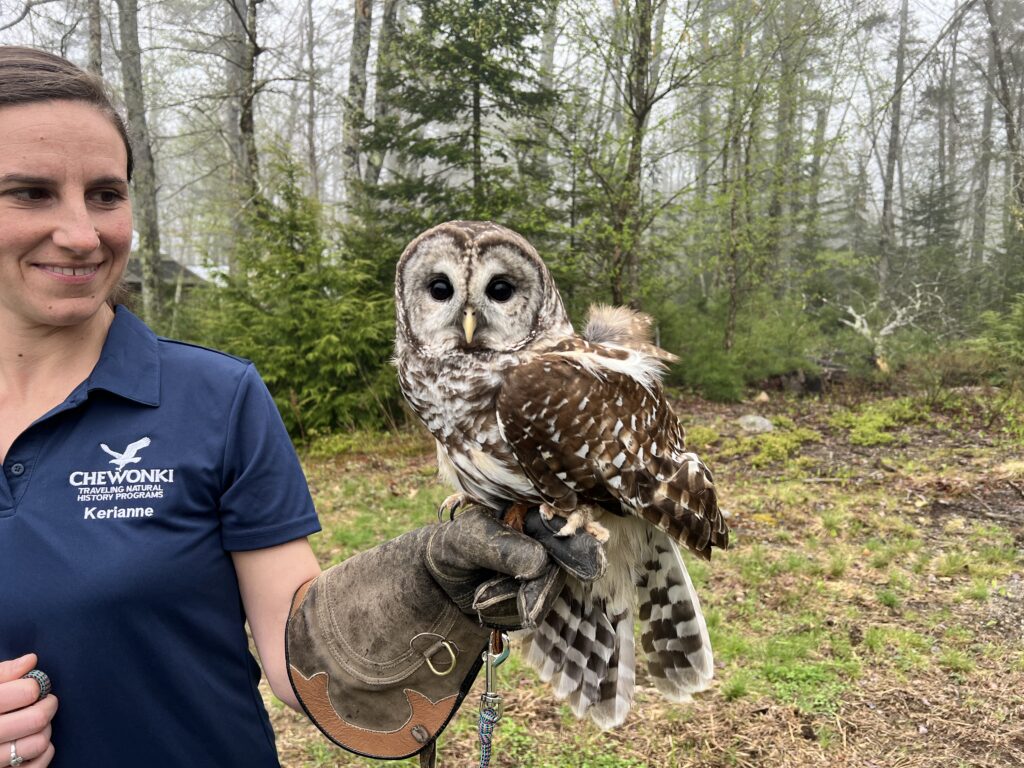
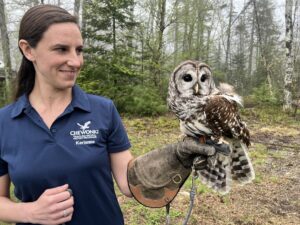
CEE Director Kerianne Gwinnell with one of Chewonki’s barred owls, part of the wildlife center’s work connecting people to the natural world.
Still Learning
Energy systems on Chewonki Neck have changed over the years. Some ideas worked in different ways than expected. Others opened the door to new approaches. What has remained consistent is the way Chewonki approaches the work. We continue to test ideas, learn from experience, and make those lessons visible.
Today, the systems on campus are more connected. Efficient buildings, electric heating, and renewable energy generation are beginning to work together as a whole.
And just as before, those systems remain part of the learning experience. Students see them, ask questions about them, and come to understand how they work.
At Chewonki, sustainability is not something separate from daily life. It is something you can see, question, and take part in, starting at the CEE and extending across the campus.
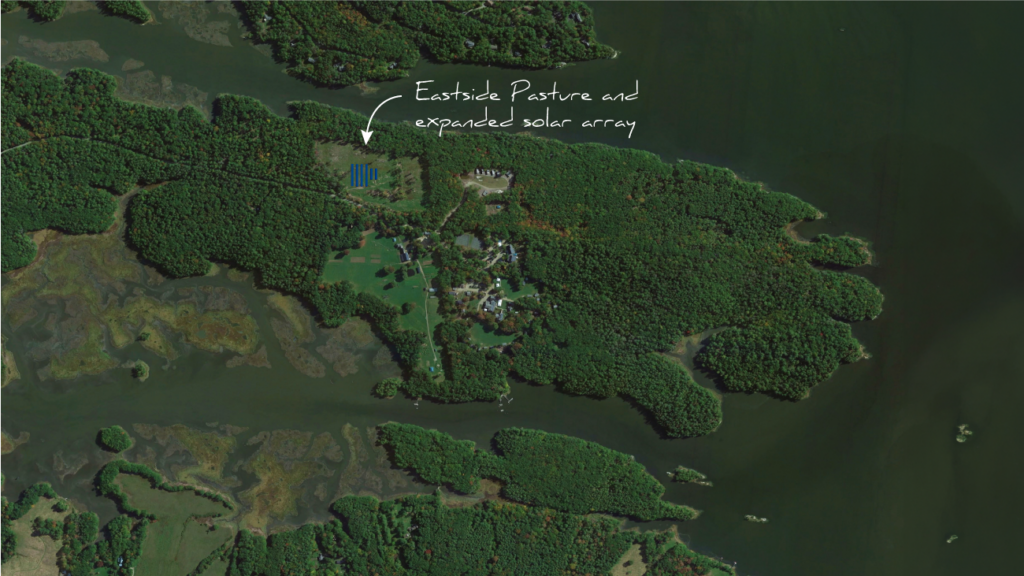
The biggest change is now taking shape on the Eastside pasture. A new campus-scale solar array will meet 100 percent of Chewonki’s current electricity needs, including the CEE’s. Unlike earlier projects that focused on emerging technologies or demonstration, this system is designed to deliver meaningful, ongoing impact and support continued progress toward reducing carbon emissions.
This moment builds directly on the work of earlier decades. The Chewonki community of the 1990s and 2000s helped move the organization toward a future less dependent on fossil fuels, setting the direction that continues today.
It also builds on years of steady, often unseen progress. Improvements across campus—LED lighting, better insulation, electric and hybrid vehicles, and more efficient systems—have reduced energy demand and prepared the campus for a stronger transition as the solar array comes online.
The result is a campus that uses less, produces more, and is better prepared for the future.
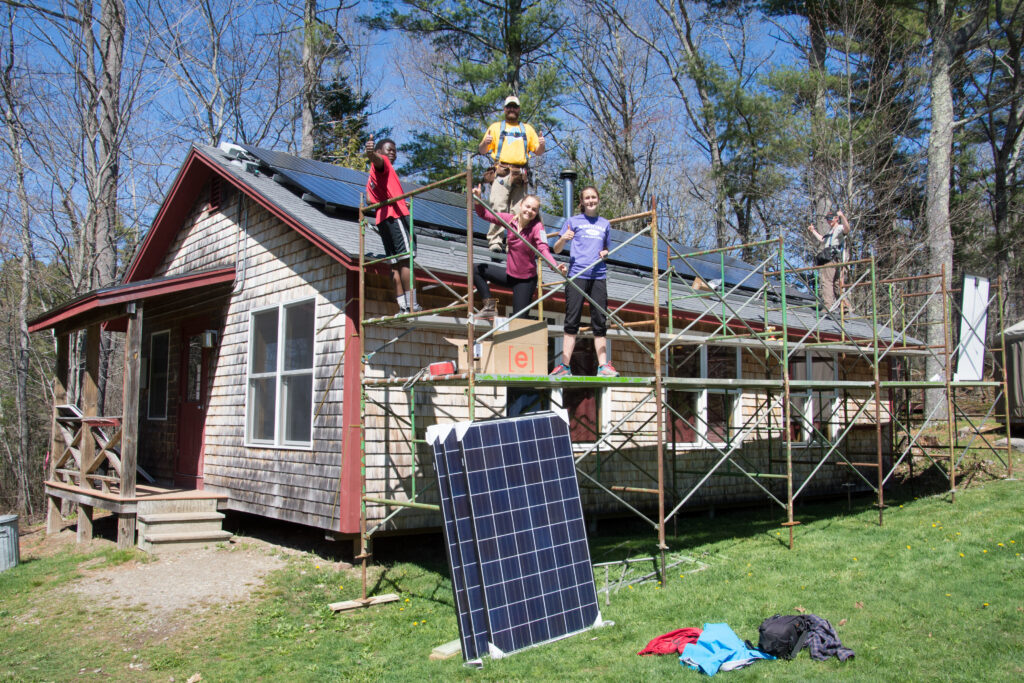
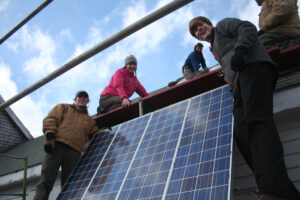
Semester 56 students on the roof at Gordy Hall, turning learning into something you can see and use.