Reducing Chewonki’s carbon emissions means not only producing renewable electricity, but also rethinking how energy is used across campus. With increased solar capacity in place, the next phase of this work focuses on improving the efficiency of existing buildings and replacing legacy oil, diesel, and gasoline systems with electric alternatives.
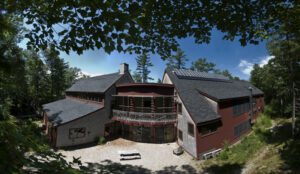
Chewonki’s campus includes dozens of powered structures, creating many opportunities to reduce energy use through upgrades such as improved insulation, heat pumps, efficient lighting, and modern appliances. Over time, electrifying systems across campus—from building equipment to vehicles—will allow more of our daily operations to run on renewable electricity.
Planned projects currently include:
-
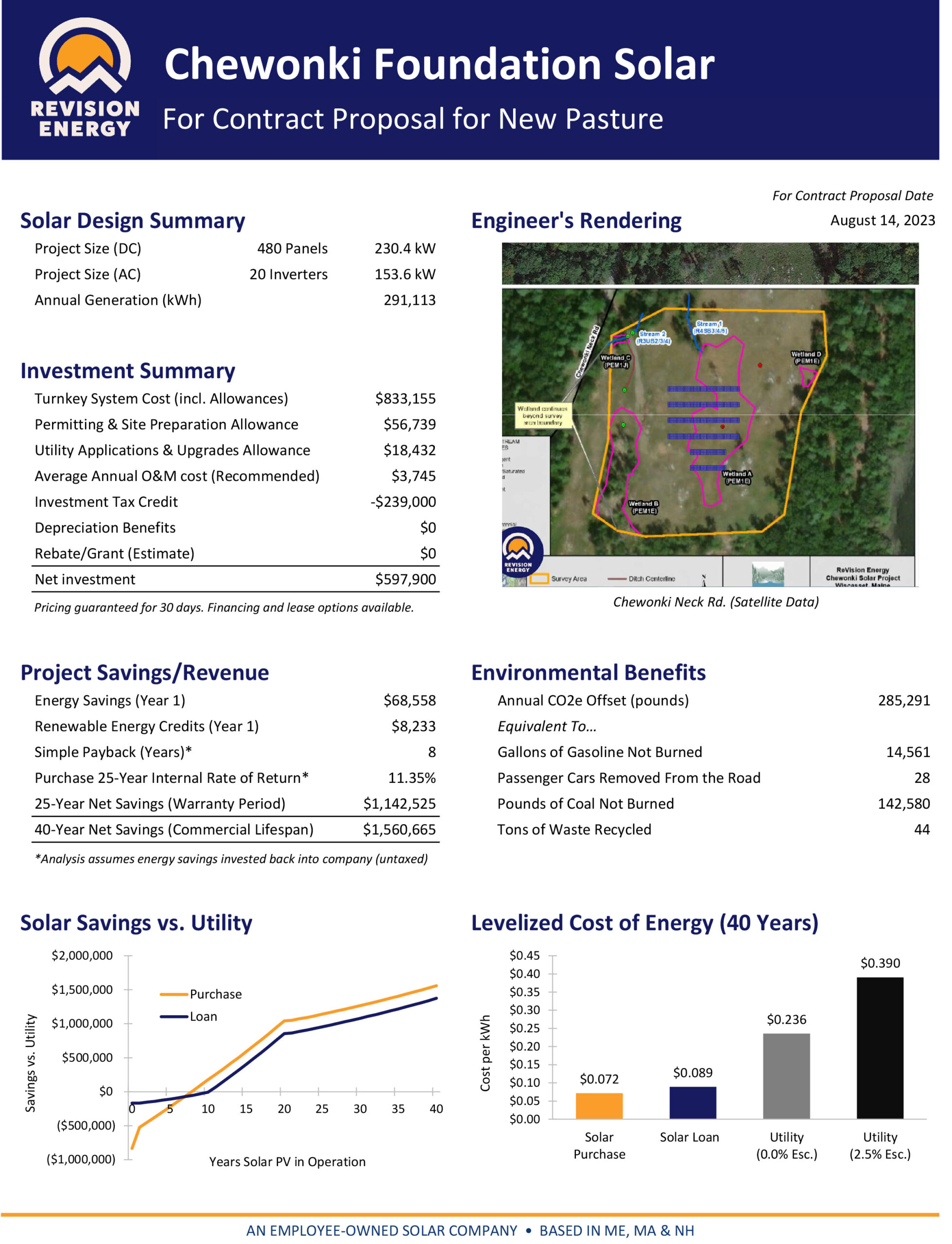
Installing a 420-panel agrivoltaic solar array in the Eastside pasture to generate renewable electricity for campus operations
-
Adding RAV4 plug-in hybrid vehicles and electric utility vehicles to the campus fleet
-
Installing heat pumps and upgraded HVAC controls in campus buildings
-
Installing on-demand electric hot water systems in residential buildings
-
Replacing dining hall lighting with high-efficiency LEDs
-
Installing heat pumps for heating and cooling in classroom and office spaces
-
Upgrading and replacing oil appliances in residential housing
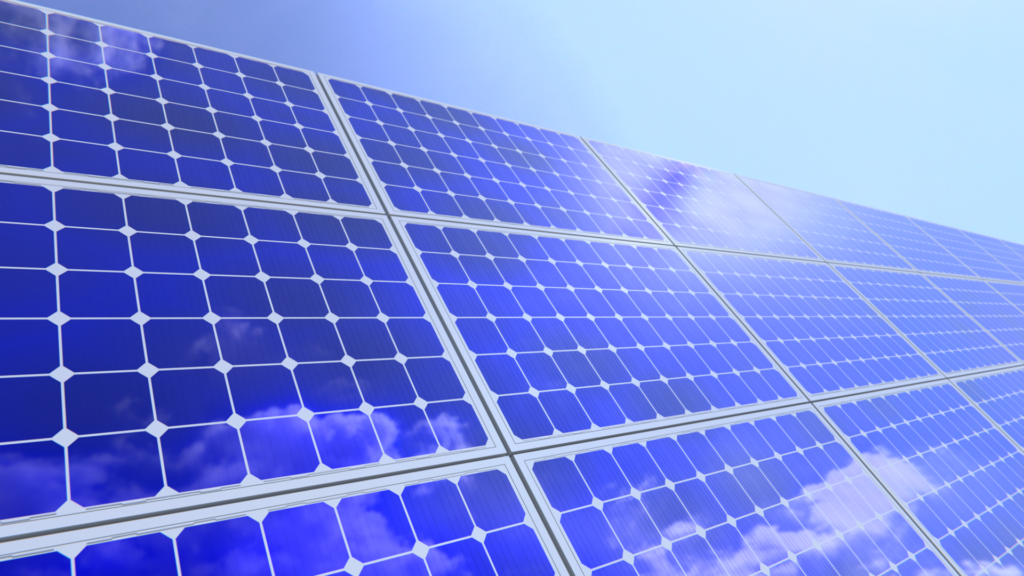
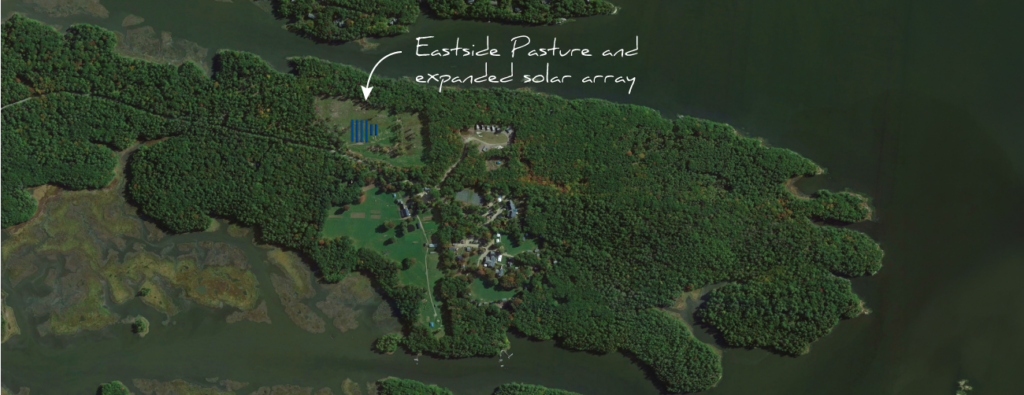
In 2026, Chewonki will install a 420-panel agrivoltaic solar array in the Eastside pasture. The system will generate enough electricity to meet Chewonki’s current campus demand while allowing the pasture to remain in use for grazing sheep. By producing renewable energy on site, the project will significantly reduce our reliance on grid electricity and allow the foundation to electrify additional campus systems in the years ahead.
-
420-panel, 230 kW solar array generating carbon-free electricity
-
Dual-use agrivoltaic design that allows the pasture to remain in active use
-
About $80,000 in annual savings on purchased electricity
-
Approximately $1.5 million in projected savings over the array’s 40-year lifespan
-
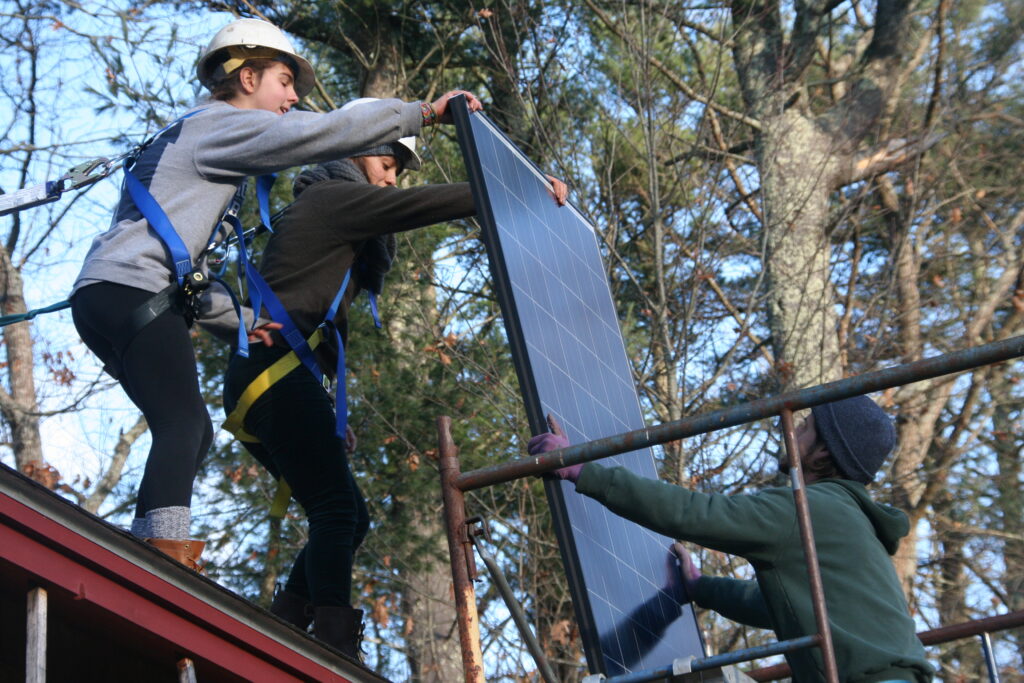
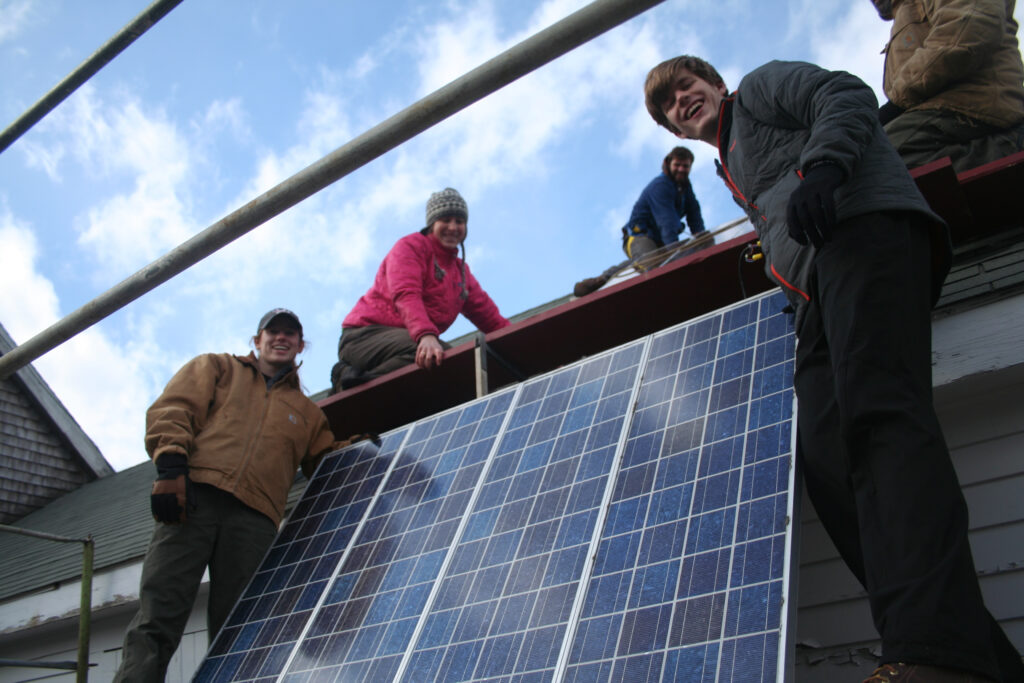
Hands-on learning opportunities for camp and school programs
-
$239,000 federal investment tax credit supporting the project
-
Capacity for future expansion as additional campus systems are electrified
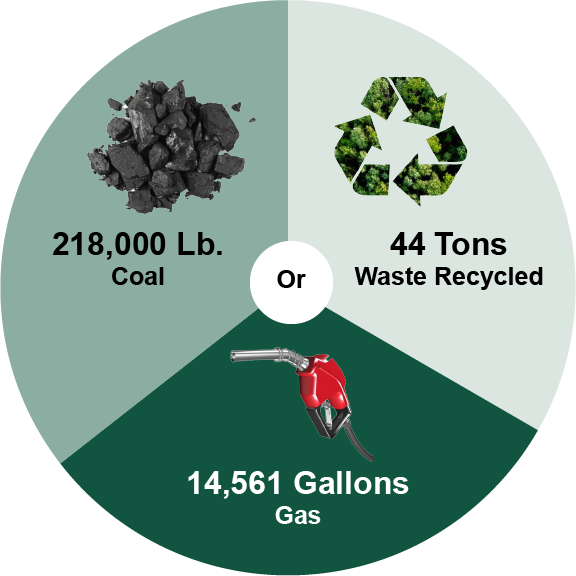
Our Eastside solar array will offset about 140 metric tons of carbon each year—but what does that actually look like? Here are a few ways to picture that impact:
-
218,000 pounds of coal not burned
-
44 tons of waste recycled
-
14,561 gallons of gasoline saved
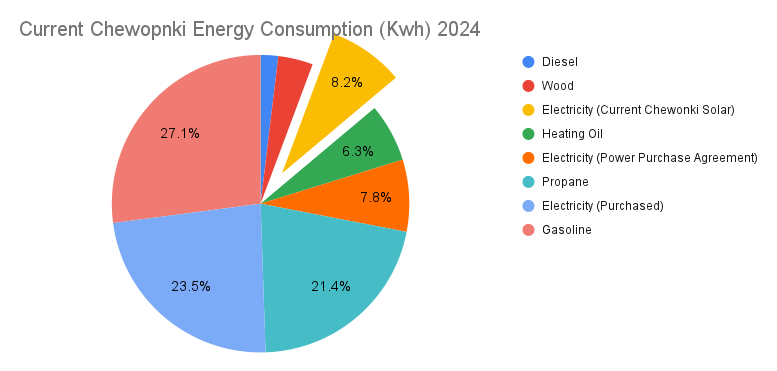
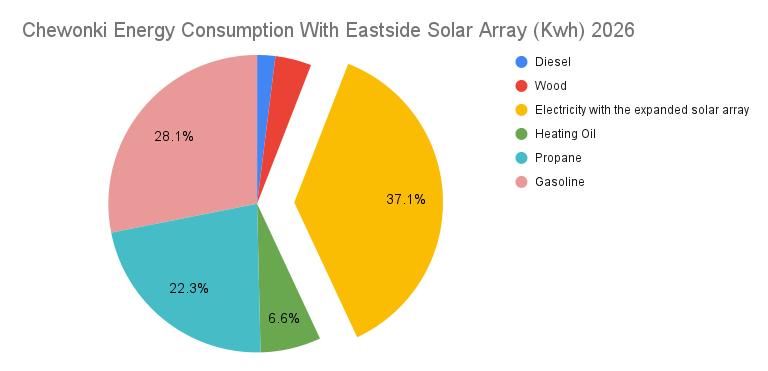
Currently, about 8.2% of the energy Chewonki uses comes from solar. The expanded agrivoltaic array will increase that share to 37.1% (a more than fourfold increase!) while reducing both our electricity costs and our carbon emissions by decreasing our reliance on grid power, which is still largely generated from fossil fuels.
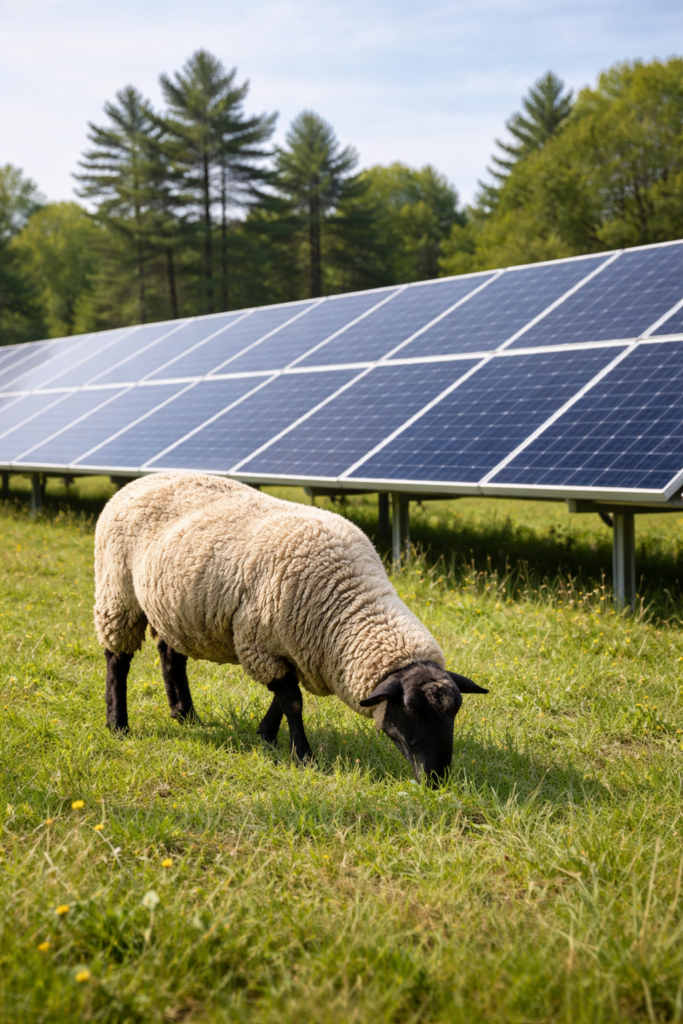
The array is designed so the pasture can remain in active agricultural use.
Agrivoltaics is the co-location of solar photovoltaic panels and agricultural activities. For Chewonki, this means sheep from Salt Marsh Farm will continue graze beneath the panels, which will provide shade during warmer months, and help maintain healthy vegetation across the field.
Beneficial electrification means replacing systems that rely on fossil fuels—such as oil, propane, diesel, or gasoline—with efficient electric alternatives powered by solar energy. As Chewonki generates more renewable electricity on campus, these systems can increasingly run on that power. Over time, this shift will reduce the emissions associated with heating buildings, running equipment, and transporting people across campus.

-
Installing heat pumps for heating and cooling in classrooms and office spaces
-
Upgrading HVAC systems and building controls
-
Installing on-demand electric hot water systems in residential buildings
-
Replacing propane and oil appliances in residential housing
-
Upgrading lighting systems to high-efficiency LEDs
-
Adding plug-in hybrid and electric vehicles to the campus fleet
- Converting campus homes to run entirely on clean electricity
At Chewonki, the campus has always been part of the learning environment. Buildings, farms, forests, and shorelines all offer opportunities to explore how people live within natural systems.
Our energy infrastructure is part of that story as well. Systems like the Eastside solar array give students and participants a chance to see how renewable energy works in a real place—how electricity is generated, how buildings use it, and how choices about energy affect the land and communities around us.
By making these systems visible and understandable, the campus becomes a place where sustainability is not just discussed, but observed and explored in everyday life.
Chewonki is raising $850,000 to support the installation of our 2026 solar array on the Eastside pasture. Thanks to the generosity of our community, we are already 76% of the way toward that goal.
Support for this project will help Chewonki generate renewable electricity on campus while advancing our broader effort to reduce carbon emissions through building efficiency upgrades, electrification of campus equipment, and improvements to our vehicle fleet.
If you are interested in partnering with Chewonki on this work, please contact Peg Willauer-Tobey at pwillauer-tobey@chewonki.org.
You can also make a gift online at chewonki.org/give. When asked for a designation, select “Other” and write in Solar.

To learn more about Chewonki’s 2030 Decarbonization Plan, the 2026 Solar Array, or opportunities to support this work, please contact Vice President of Philanthropy and Alumni Relations Peg Willauer-Tobey at pwillauer@chewonki.org.